
Microposts
Dave Winer (@dave on Micro.blog) has been extolling the virtues of AI agents to help with coding for months now. So when he writes:
I would like to have one day when Claude Code doesn’t fuck everything up by doing things it is explicitly prohibited from doing. I find things that were changed in critical parts of the program, that were indefensible.
I can’t help but wonder if some sort of tide is beginning to turn.
That said, at my work we’re about to start a trial of using AI agents, with Codex rather than Claude. So something to be cautious about.
Good piece by Robin Sloan on using ‘AI’ to create personalised apps:
'Ask for what you want' is a key skill for the 21st century robinsloan.com
it does seem a powerful use case, if you have a matching need.
Later he says:
Most of life doesn’t happen in here. If, indeed, none of your needs or desires are app-shaped … well, that’s not unusual! I have chatted about this with several friends who pondered a while, then declared: “I don’t have any problems that software can solve.”
If that’s you, close this tab and proceed with your day.
Maybe that’s me; that’s the answer to my post the other day, about not having anything to ask the bots.
At work, though, I could have such questions, and the idea still makes me uncomfortable.
Yesterday I wrote the end of draft zero of a novel. I call it ‘The Edinburgh Novel’, as that’s where it’s set, and I don’t have a title yet. Now I have a load of rewriting to do and many comments from my novel-writing group to incorporate.
First though, what next, while I let that stew?
It remains confusing to me about ‘AI’ that so many people ever started using it. I never used it, aside from a few odd things at work, and I could never think of anything I wanted to ask it.
No other software I can recall got adopted by so many, so quickly. What happened?

Reform continues to cast doubt on climate science. Do its supporters agree?
For fuck’s sake, The Guardian, learn to write an accurate headline. Whatever shite Reform talks about climate science, it doesn’t cast doubt on it. It lies about the evidence for global heating, is probably what you should say.
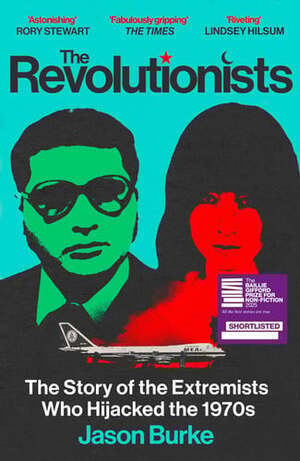
Started reading: The Revolutionists: The Story of the Extremists Who Hijacked the 1970s, by Jason Burke. 📚
Wow, so many typos in today’s post, including Melville’s surname! I hope no one saw it.
John Gruber may not be a mainstream journalist, in that he’s an independent writer, not employed by a large publication; but this retraction of a recent article is an object lesson in how to behave when you’ve published something incorrect. Even if, as in this case, you’ve been misled.


Watched: Spider-Man: Brand New Day 🎥
This was great! I think it’s the best of the Tom Holland Spideys. Marvel movies seem to be back.
Getting rid of teachers because we all have chatbots is like getting rid of doctors because we all have the plague.
Cory’s latest is very good on good and bad uses of LLMs, and why discernment is key to using them well.
I need to excise the word ‘though’ from my vocabulary, like I’ve just had to excise several instances of it from this morning’s post. It is clearly my most overused word.

Watched: Babylon 5: The Road Home 🎥
This animated sequel-of-sorts to the wonderful Babylon 5 TV series was released a few years ago, and I somehow missed out on the news. Heard about it a few months ago and was reminded again yesterday.
It’s good enough, but mainly for the chance to spend some more time with beloved characters. It doesn’t add anything to the overall story, nor detract from it. One for the fans.
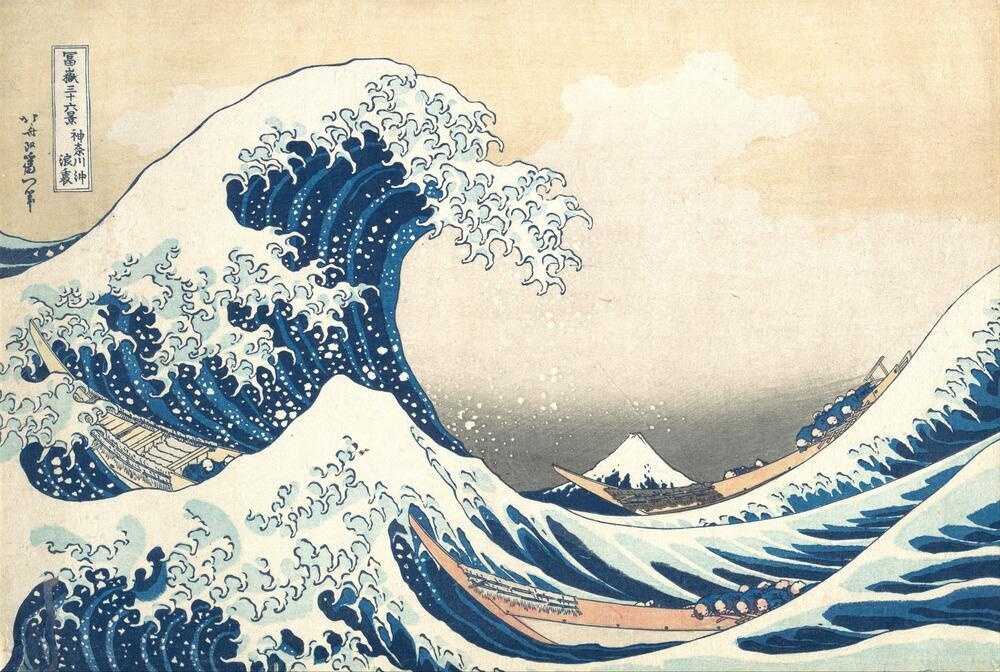
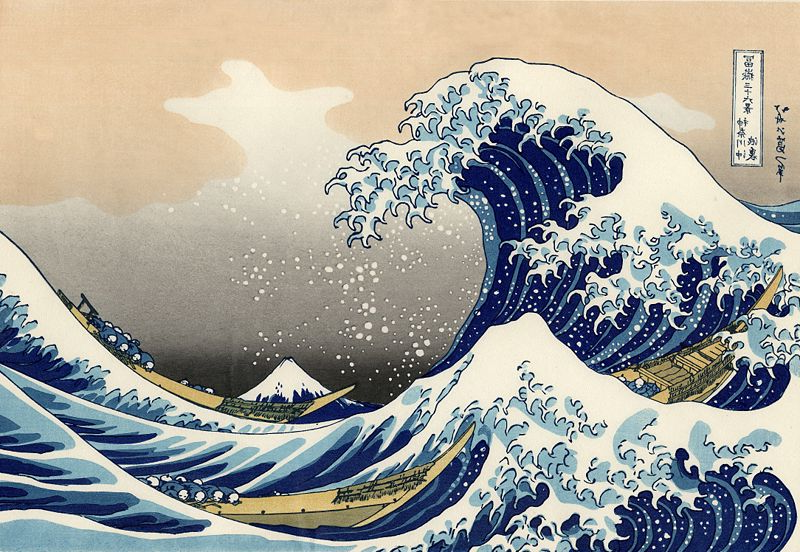
The most intriguing thing for me about this alternative way of looking at The Great Wave is that I had never before realised there were boats in it!
Here's the original (first photo) and flipped (second). The idea is that since Japanese is read right-to-left, English speakers accustomed to left-to-right reading should see how it looks flipped, where it looks more like the boats are heading into the intimidating waves.

Watched: Billion Dollar Brain 🎥.
The third Harry Palmer film, and considerably more bizarre and confusing than the the first or second. Also a Ken Russell film, so that’s probably why. A mad Texan oil billionaire with a private army tries to trigger a third world war, basically
That BBC self-ad at half time of the World Cup Final was OK, but Mitch Benn did it better years ago with ‘I’m Proud of the BBC’ (YouTube link).