
📚 Books 2026, 24: The Catcher in the Rye, by J. D. Salinger
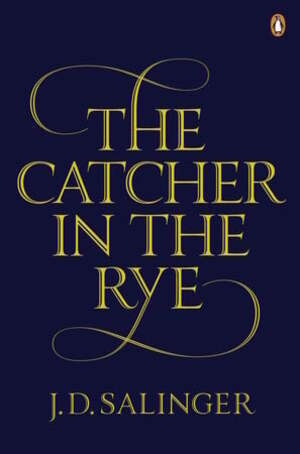
I read The Catcher in the Rye, not in my teens as many do, but I think probably in my twenties. And I recently went to a live podcast recording of The Booking Club, with Jack Aldane, where he and his guests were discussing it.
I realised I remembered little about it, but was interested, and decided to reread it. Doing so, I realised I remembered nothing at all about it.
Well, that’s not quite true. I remembered one scene, about how when you meet new people — other kids at a new boarding school, in this case — Catholics always manage to let you know they are, by asking if you know where the local Catholic church is. That stuck with me because of my Catholic background, I dare say.
But nothing else, other than a vague sense of Manhattan.
Which is a shame, I guess. Or maybe not. After all, it means I got to read it as effectively a new book. Except that I knew where it ends, if not from memory, then from hearing the podcast people talking about it.
Anyway. Holden Caulfield is a slightly annoying character at times — or rather an annoying narrator, as what most annoyed me was his repeated use of ‘old’ when talking about people. ‘Old Phoebe’ for his younger sister, for example. Nothing wrong with that occasionally, but it was so frequent. We must assume, then, that Salinger was trying to create that effect. Or some effect, maybe to represent Holden’s limited vocabulary? But then he mostly comes across as quite literate.
Unreliable, though, he’s definitely that. And somewhat hypocritical. But above all, I felt sorry for him. He’s been through a lot of shit, and it’s only getting worse, and he’s adrift in the world.
Looking at it now, and thinking of a key point that was made in the podcast — it’s about a teenager, but it’s not written for teenagers — I wonder why it — or he, Holden — became such an icon of the counterculture.