Films
Fighting with My Family, 2019 - ★★★½
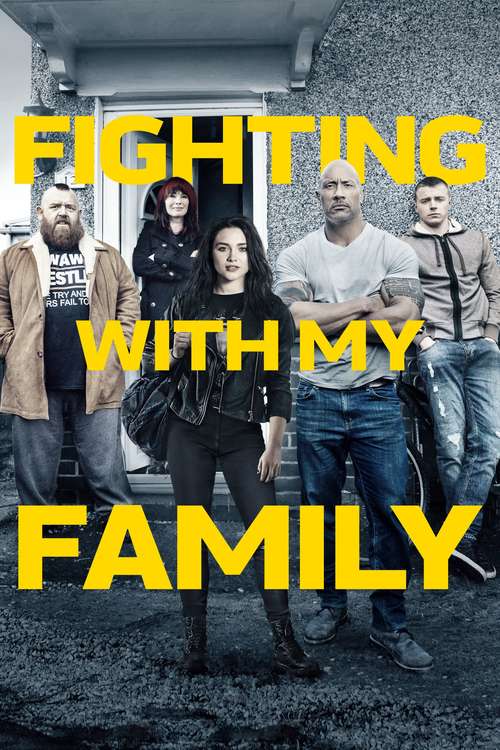
I didn't expect to be watching a film about wrestling, much less one made in association with the WWE. I mean, if had been about the old British wrestling matches they used to show on Sundays on ITV -- Big Daddy, Giant Haystacks, Kendo Nagasaki -- then maybe.
But this turned out to be a lot of fun. Written and directed by Stephen Merchant, it's based on the true story of a wrestling-mad family in Norwich, and how they try to get into the giant American wrestling entertainment business.
Not bad at all.
The Grand Budapest Hotel, 2014 - ★★★
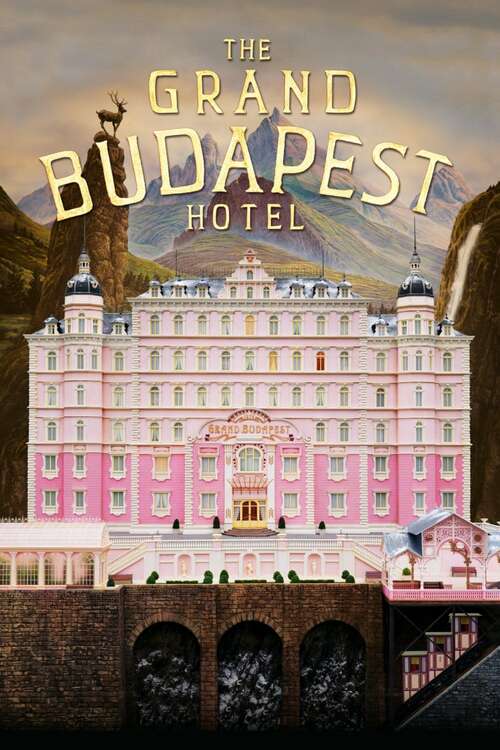
I note that I gave this three-and-a-half stars when I added it to Letterboxd, some time last year. Watched it again last night, for, I think, the third time. My inclination is to reduce its number of stars. I don’t dislike it, by any means, but I don’t love it the way the rest of my family do.
Last night I was more puzzled by it than I recall being before. Why the three layers of story? I’m not sure that adds anything. I like the look, and I originally loved the weirdness, but... in the end it just feels kind of shallow.
The Cabin in the Woods, 2011 - ★★★★★ (contains spoilers)
This review may contain spoilers.
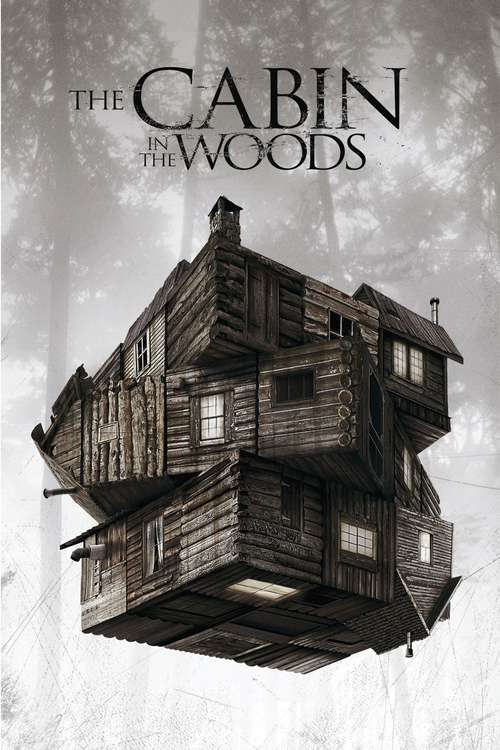
I'm surprised to find this is from 2011. I saw it when it came out, but it doesn't feel like eight or nine years ago. Three or four, I'd have said.
The fact that I'm surprised to find that Chris Hemsworth is in it probably reflects the length of time that has passed, though.
Anyway, it stands up really well, though the question I asked the last time: why do they have a big red "Release all the monsters" button? That still stands.
Springsteen On Broadway, 2018 - ★★★★
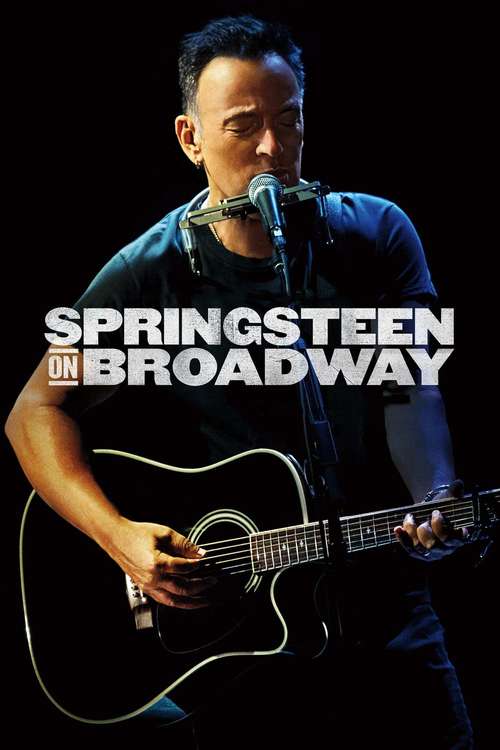
I finished this last night, but actually watched it over the course of several weeks. Not the way I'd normally watch a film, but since it's mainly about the music, the interruptions don't really matter.
Except... it's actually equally about the music and the storytelling. Both are valid and worthwhile. There was no single overarching narrative, though. The stories are a set of recollections of Springsteen's life. There are connections, of course, but each one stands alone well enough to watch it in this disjointed way.
Anyway, my main complaint is that it was too short and could do with having more songs. He's written a vast number, after all. Well worth watching if you're a fan. If not, then you probably won't want to.
Jojo Rabbit, 2019 - ★★★½
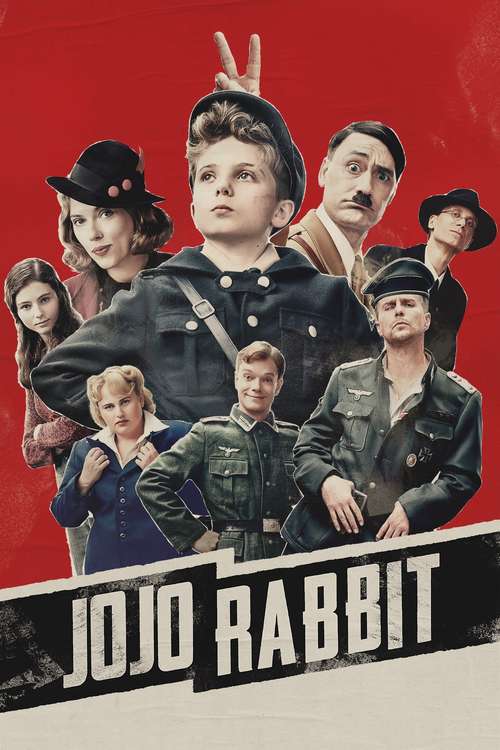
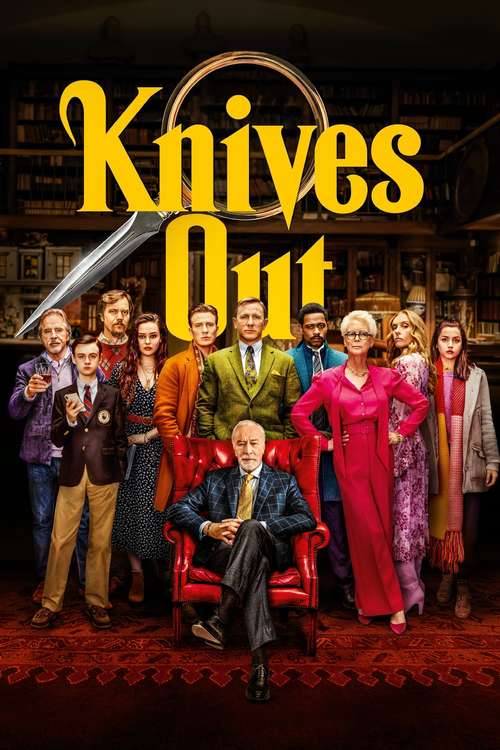
I liked this a lot more than I expected to. When I saw the trailer (I think back in December, when we saw Knives Out) I was a bit freaked out by it. What’s this, you’ve got a film about a kid in the Hitler Youth, with Hitler as a character, and they seem to be playing it for comedy? This looks well dodgy.
My kids knew it was by Taika Waititi , though, and that seemed to make it likely to be OK? I dunno, but eventually I decided to give it a chance.
And it turns out to be really good. A sweet film in many ways, though with plenty of menace and darkness, as you'd expect from where and when it's set -- which is an unnamed German town or city in the dying days of the Second World War. Waititi himself plays Hitler, who is not in fact the real one, but an imaginary friend that lets Jojo, the ten-year-old title character, talk to someone about the things he can't talk to anyone else about.
So I enjoyed it, but I can't help asking: why did he choose to make this film? Why that story, why now? It's based on a novel, Caging Skies by Christine Leunens. But Wikipedia's description of it as "the internationally bestselling Hitler Youth novel" leaves me none the wiser.
Not, of course, that there has to be a specific reason for a creator to make something. And it's far from the first comedy about Hitler or the Nazis. But there's just something about the idea of it -- not the actuality -- that leaves me a little uncomfortable, in a way that The Great Dictator or The Producers didn't.
Little Women, 2019 - ★★★★
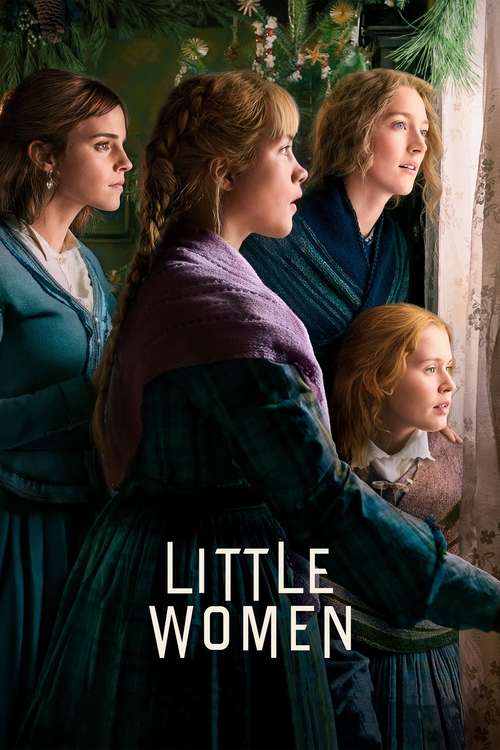
Greta Gerwig’s dual-timeline approach makes this more interesting than a straightforward adaptation would have been.
Brazil, 1985 - ★★★★★
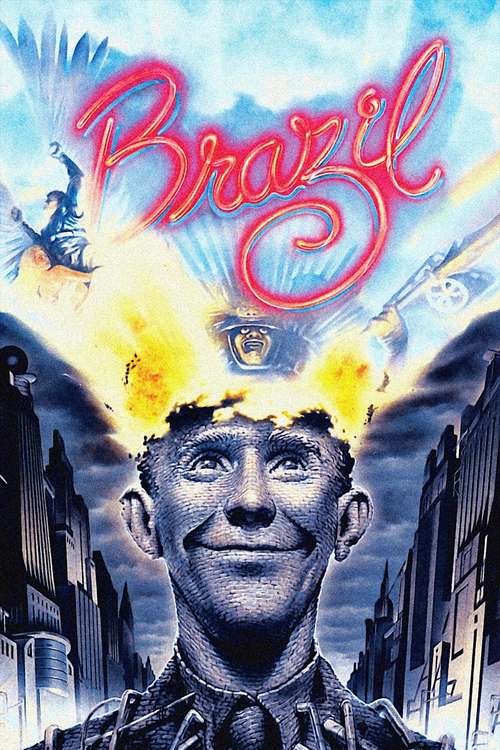
I first saw Terry Gillian’s weird dystopia at its premier, at the Edinburgh Film Festival in 1985. I feel I must have seen it again since, but watching it last week, much of it felt unfamiliar. It stands up really well, though.
Star Wars: The Rise of Skywalker, 2019 - ★★★½
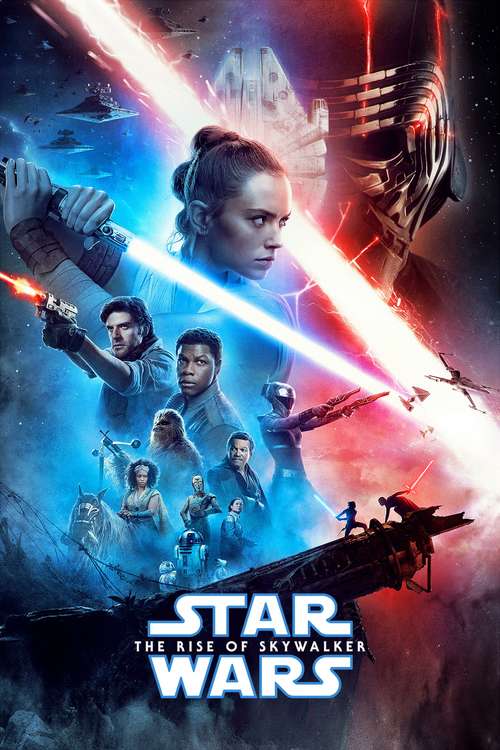
Well, 42 years after seeing the first part of this story (if fourth episode, though it wasn't called that then), we finally get its end.
I thoroughly enjoyed it, but I don't think it quite lives up to the legacy. I've given it three and a half stars here, but it hovers, Force-suspended, between that and four. Obviously I was hoping for a five, or at least a four and a half.
There were some daft parts, some annoying parts, and many spectacular parts; but no really outstanding parts; nothing that we'll look back on as being iconic.
Interstellar, 2014 - ★★★★½
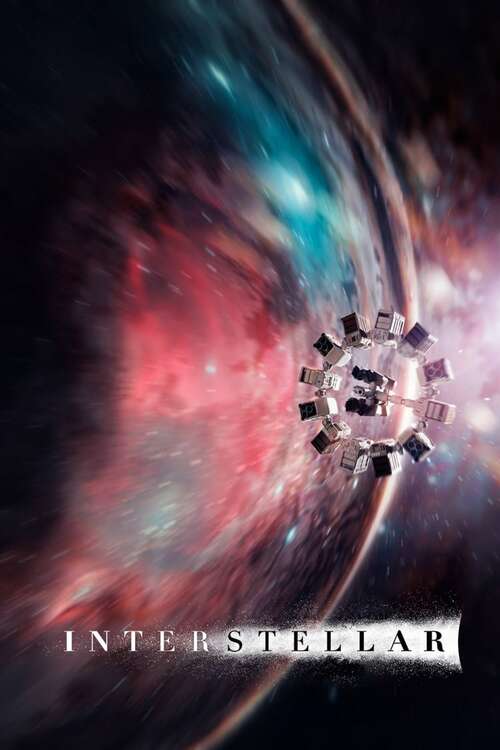
I watched this again last night, and it’s really an outstanding film. There are some places where the gravity and/or relativity choices don’t quite make sense, but mostly the science is handled very well.
The philosophical aspects are also treated well. Do you put survival of the currently-living members of humanity above the survival of the species as a whole, or not?
The least believable thing, in a film full of challenging ideas, is the fact that our hero has been a pilot for NASA, but has somehow fallen off their radar, when they actually need people like him and have a base within a day’s drive of him.
The Favourite, 2018 - ★★★
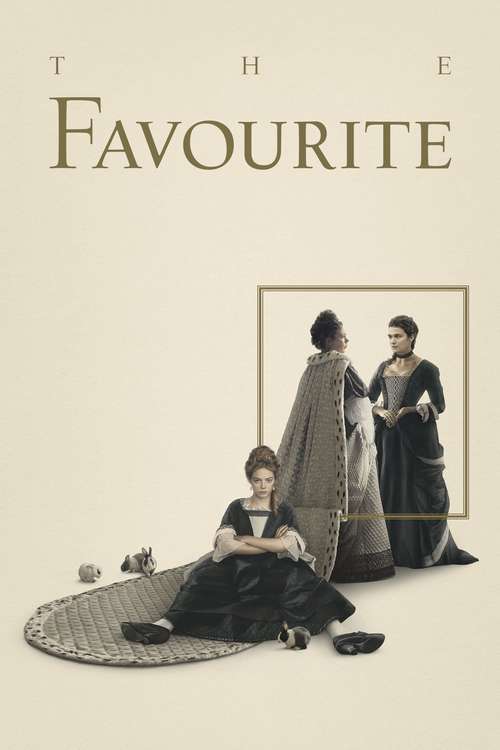
What were they doing with the justified text in the captions and even credits? Made it barely readable.
More on Tarantino
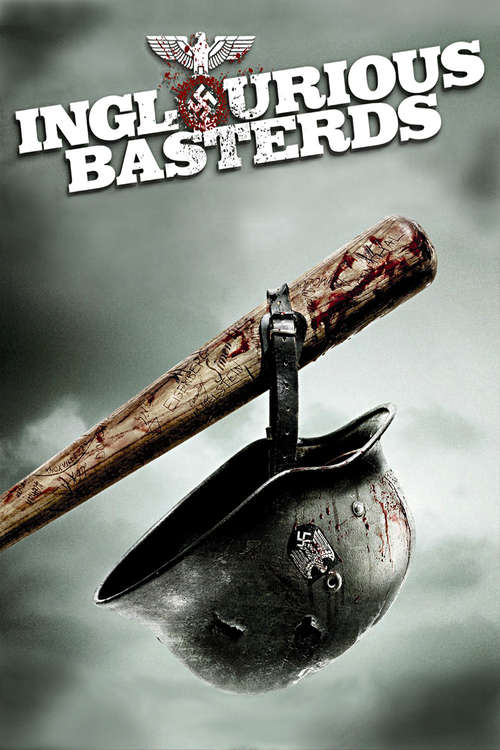
Following on from my musings of a few weeks ago, regarding Tarantino’s introducing a slight degree of counterfactuality into a fictionalised version of the real world, we watched Inglourious Basterds the other day. (That film is ten years old. How?)
So it seems like adding counterfactual happy (happier) endings to real-world things is what he does now? I don’t know what happens in Django Unchained or The Hateful Eight, though. Turns out I haven’t really watched his stuff since Jackie Brown.